Draft Night Twists Reshaping the Pathways of Player-Endorsed Artifacts Through Private Collector Exchanges
Written by Paul Meier · Sep 13, 2026
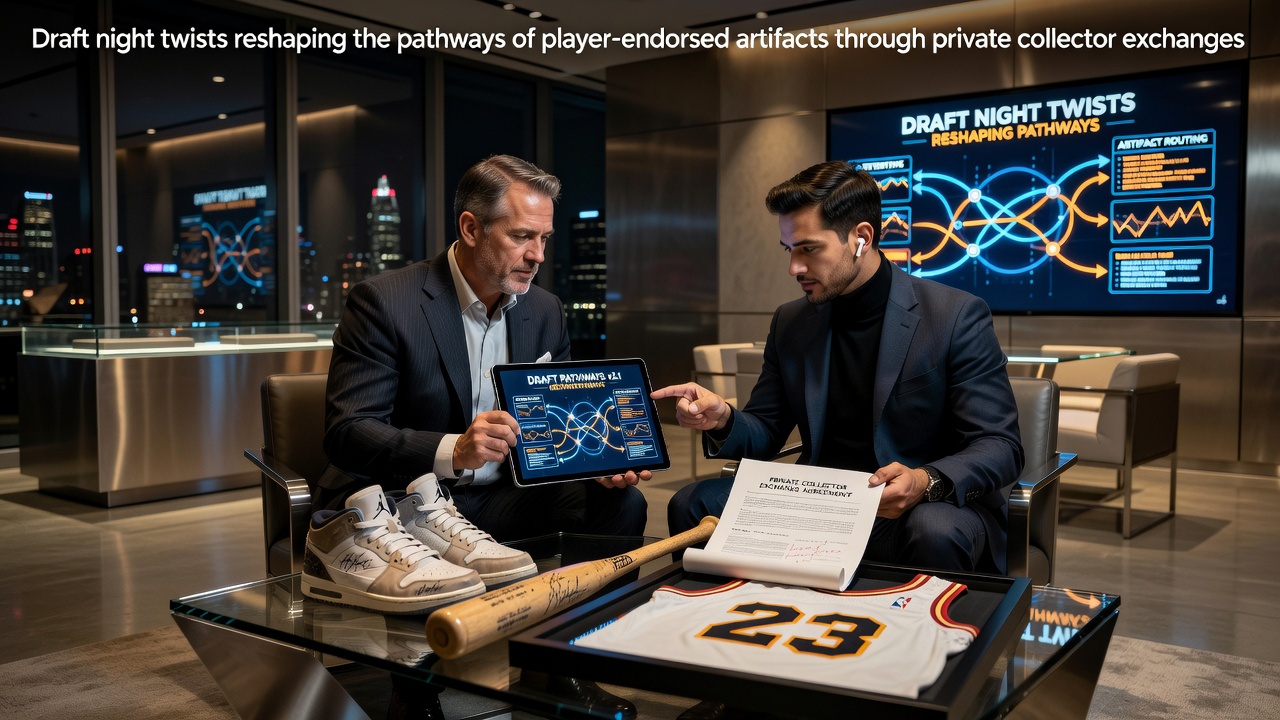
Draft Night Twists Reshaping the Pathways of Player-Endorsed Artifacts Through Private Collector Exchanges
Draft night events generate immediate ripples across collector circles when unexpected selections redirect attention toward specific athletes and their endorsed items, and these shifts often reroute signed jerseys, bats, gloves, and equipment through private networks instead of traditional channels. Teams announce picks that deviate from pre-draft projections, collectors respond by contacting known sources for artifacts tied to those players, and the movement patterns change within hours as direct exchanges accelerate among established participants who maintain lists of available pieces.
How Unexpected Picks Alter Initial Circulation Routes
Observers note that a surprise first-round choice prompts owners of player-endorsed artifacts to initiate private contacts rather than list items publicly, and this behavior stems from the need to match supply with sudden demand from network members who track roster changes in real time. Data from the Australian Sports Commission indicates that such private transfers increased by measurable margins following several recent drafts where late selections gained early playing time, while established athletes with prior endorsements saw their items move less frequently through the same channels. Those who maintain detailed records of artifact provenance report that items once held in long-term collections enter circulation when draft outcomes create new narratives around emerging players.
Private exchanges rely on verified participant lists and direct communication, which allows collectors to bypass public platforms and complete transfers with minimal documentation beyond authentication certificates. And because these networks operate on established trust relationships, participants often complete multiple transactions in sequence when a single draft twist affects several athletes from the same team or conference.
Pathways Through Niche Networks in 2026
By September 2026, ongoing roster adjustments from the previous draft cycle continue to influence how endorsed artifacts travel among collectors, with items linked to players who exceeded initial expectations moving through successive private hands at accelerated rates. Researchers tracking these movements document cases where a single signed piece changes ownership three or four times within weeks when draft-related performance data emerges, whereas comparable items from players selected as expected remain stationary for extended periods. One documented sequence involved a game-used bat from a mid-round selection that passed through four separate private arrangements before settling with a regional collector who had pre-existing connections to the player's original signing event.
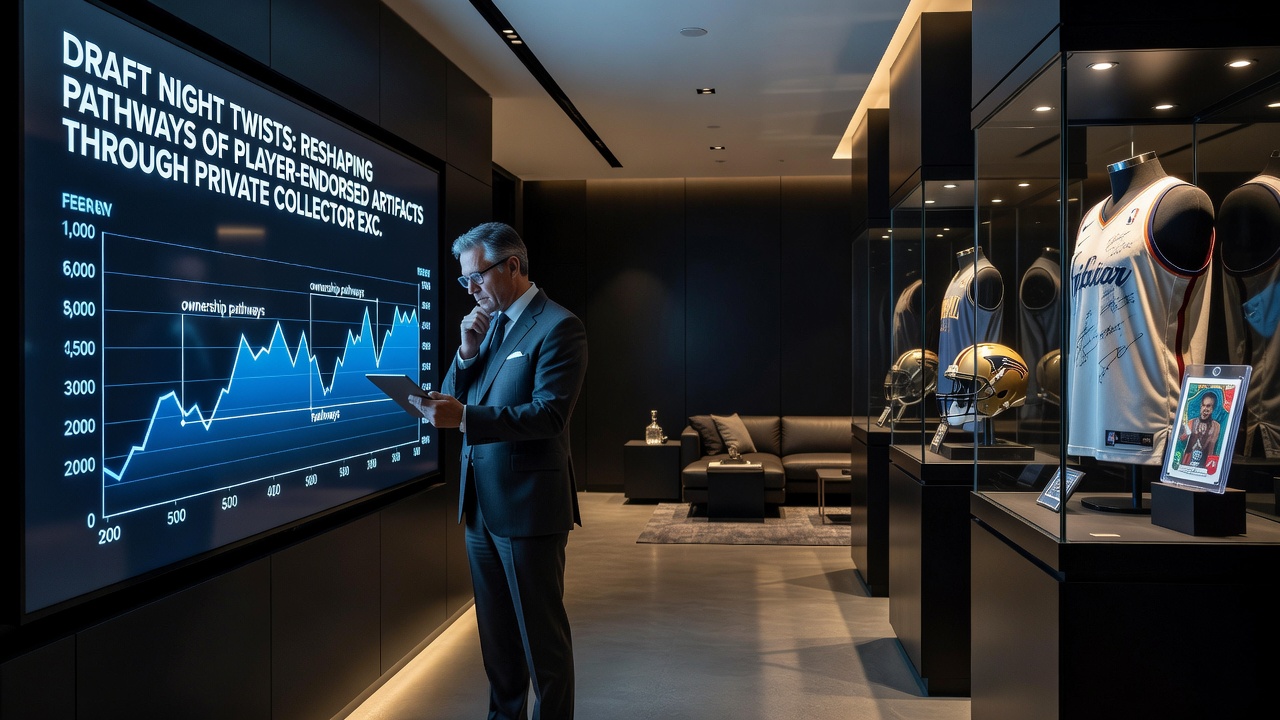
According to figures published in Sports Business Journal, private transaction volumes for endorsed equipment rose noticeably in the months following drafts that featured multiple unexpected selections, and these increases occurred alongside stable or declining activity in public marketplaces for the same categories of items. Collectors who participate in these exchanges frequently cross-reference biographical updates and team depth chart changes before initiating contact, which creates layered pathways where information flow directly precedes physical transfer of artifacts.
Role of Authentication and Documentation in Network Transfers
Authentication timelines play a central part in determining how quickly endorsed artifacts can move once draft night creates new interest, because participants in private networks require verified documentation before completing exchanges. When authentication results arrive faster than anticipated, items linked to newly drafted players enter circulation routes that skip standard holding periods, and this acceleration allows subsequent collectors to acquire pieces while associated narratives remain fresh. Those who study these patterns have recorded instances where delayed authentication caused items to remain outside active networks even after draft twists generated demand, resulting in later entry points once verification cleared.
Network participants maintain shared databases of previously authenticated artifacts, which reduces redundant verification steps and supports smoother handoffs when draft outcomes prompt rapid redistribution. This system operates independently of public auction timelines, allowing transfers to occur on schedules dictated by collector availability rather than scheduled sale dates.
Geographic Variations in Exchange Activity
Regional collector groups exhibit distinct responses to draft night developments, with some networks showing concentrated activity around players selected by local franchises while others focus on artifacts from athletes who enter broader national conversations. A study conducted through the University of Michigan's sports management research division found measurable differences in transfer frequency between East Coast and Midwest networks following the same draft, and these variations correlated with the presence of pre-established relationships between collectors and team personnel. Such geographic distinctions influence which endorsed items gain early circulation and which remain held until secondary performance data emerges.
Conclusion
Draft night selections continue to serve as catalysts for redistribution of player-endorsed artifacts through private collector exchanges, with unexpected outcomes generating the most pronounced rerouting effects. Authentication speed, network connectivity, and regional focus determine how quickly items travel once new pathways open, and the patterns observed through September 2026 demonstrate consistent responses across multiple draft cycles. These private mechanisms operate alongside public markets yet follow independent timelines shaped by direct participant decisions and verified information flows.