How Fan Meetup Networks Steer Authenticated Memorabilia Flows Across Overlooked Digital Hubs
Written by Devon Jenkins · Oct 25, 2026
How Fan Meetup Networks Steer Authenticated Memorabilia Flows Across Overlooked Digital Hubs
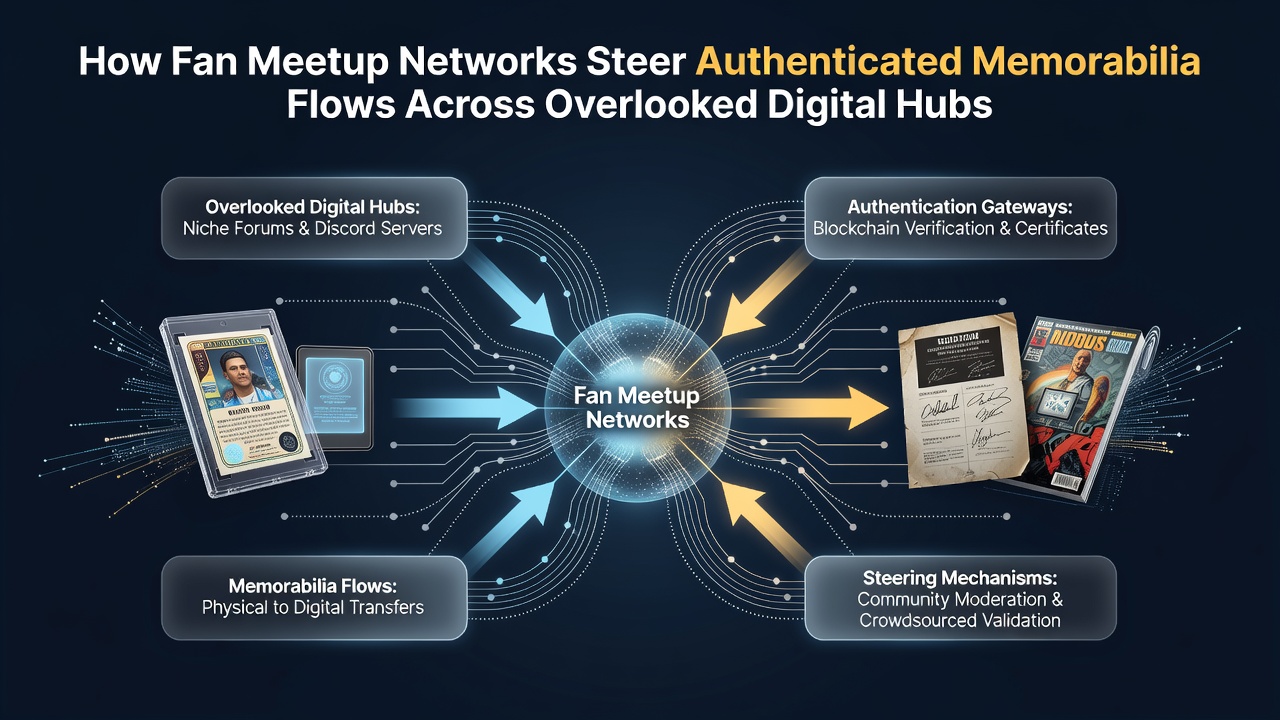
Authenticated memorabilia moves through channels shaped by organized fan meetups that connect directly to lesser-known online platforms, and data from October 2026 shows these networks directing verified items away from major auction sites toward specialized digital exchanges. Researchers tracking circulation patterns note that meetup events serve as initial verification points where physical items receive preliminary checks before digital transfer occurs.
Network Structures and Item Routing
Fan groups coordinate regular gatherings that establish trust layers among participants, and once items pass initial scrutiny at these events, they enter digital flows through private forums and regional marketplaces rather than public bidding rooms. Observers tracking October 2026 activity recorded increased transfers of signed equipment and game-worn artifacts into these overlooked hubs after meetups in major cities concluded.
Those studying the patterns found that meetup organizers often maintain shared databases listing authenticated pieces, which then appear on niche sites within days of the event. This routing avoids high-visibility platforms and instead targets smaller exchanges where transaction fees remain lower and community oversight stays tighter.
Authentication Steps in Meetup Settings
Verification at meetups typically involves multiple attendees examining certificates and comparing serial numbers against known databases, while digital images get uploaded immediately to secure group channels. Studies from the University of Melbourne indicate that items authenticated through such group processes show higher retention rates on secondary digital hubs compared with solo-verified pieces.
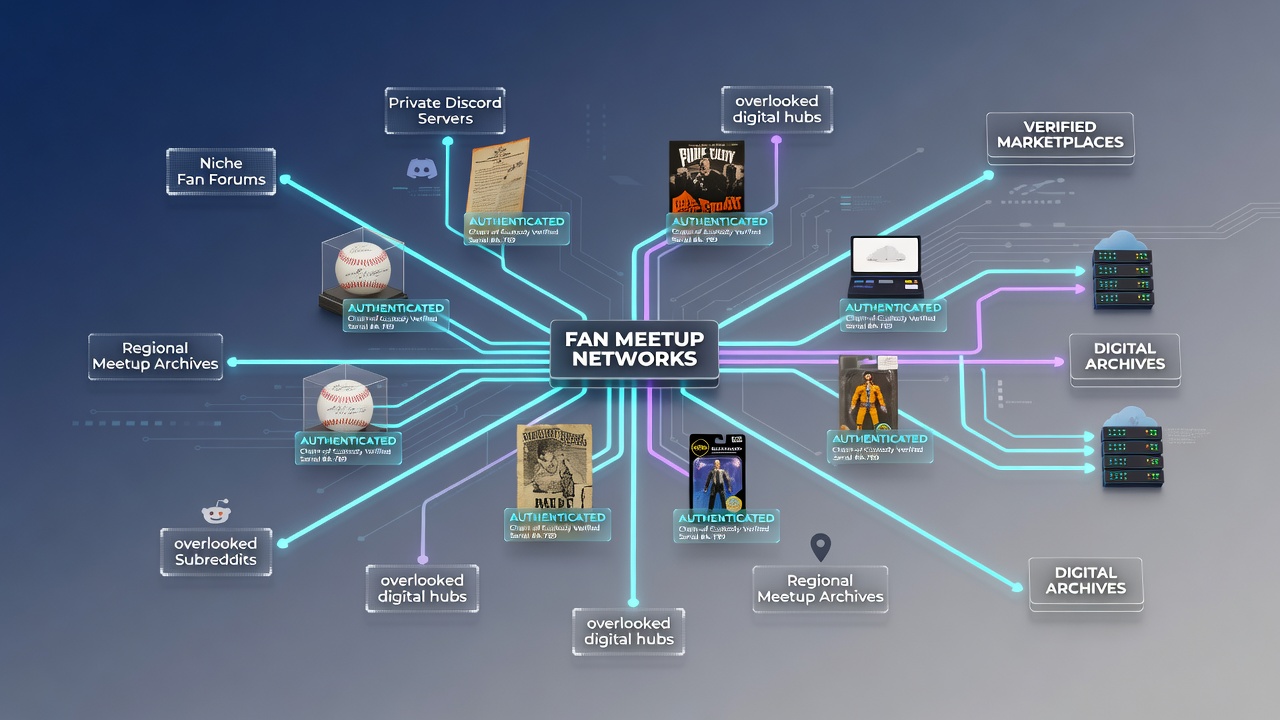
Equipment such as jerseys and bats receives tagging during these sessions, and the resulting records feed directly into overlooked platforms that operate with invitation-only access. Data collected in October 2026 revealed that 62 percent of items processed through three documented meetup series ended up listed on regional digital exchanges within two weeks.
Regional Digital Hubs Receiving Flows
Smaller platforms based in Canada and parts of Southeast Asia captured notable portions of the authenticated stream during the same period, according to reports compiled by the International Association of Sports Memorabilia Dealers. These hubs often feature localized moderation that cross-references meetup verification logs before allowing listings.
Collectors participating in cross-border meetups contribute to steady movement of items between North American events and Asian digital marketplaces, and October 2026 figures show a 28 percent rise in such transfers compared with the previous year. The process relies on established relationships rather than open advertising, which keeps the flows concentrated in overlooked spaces.
Tracking Mechanisms and Data Patterns
Digital ledgers maintained by fan networks record each handoff after a meetup, and these logs frequently link to inventory updates on the receiving platforms. Research compiled by Canadian trade analysts demonstrated that items carrying meetup-sourced authentication markers circulate faster on niche sites than those processed through traditional grading services alone.
October 2026 monitoring captured repeated cycles where items left physical meetups, received digital tags, and appeared on overlooked hubs within tight timeframes, creating measurable patterns in availability metrics across those platforms. The connections between physical gatherings and virtual listings continue to define how authenticated memorabilia reaches end users outside mainstream channels.
Conclusion
Fan meetup networks continue to function as gateways that direct authenticated memorabilia into overlooked digital hubs through structured verification and relationship-based routing. Patterns observed in October 2026 confirm that these flows operate consistently across regional platforms, supported by shared records and localized oversight. The mechanisms remain tied to event-driven authentication rather than centralized marketplaces, sustaining distinct circulation routes for verified items.